


CNC Vertical Lathe
What Is CNC Vertical Lathe
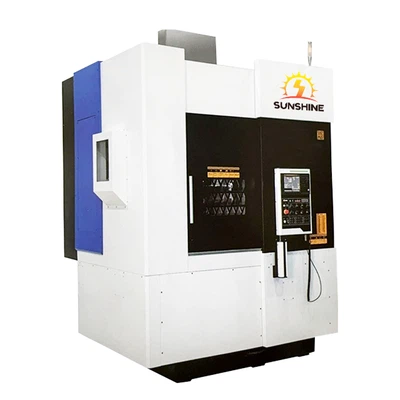
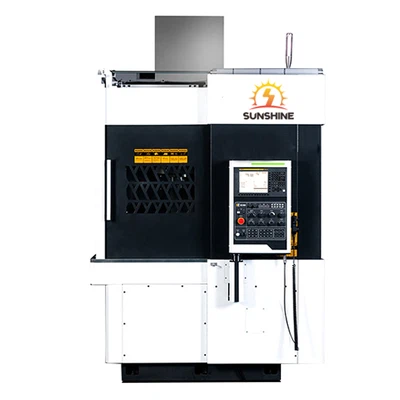
CNC vertical lathe is a machine tool that uses computers and advanced control systems to control lathes for automatic processing. It can achieve efficient and accurate processing, and is particularly suitable for rough and fine processing of parts such as wheels and discs.
High-precision machining
CNC vertical lathe adopts advanced CNC system and precise mechanical structure, which can ensure the dimensional accuracy and shape accuracy of the workpiece during the processing process, and meet the needs of high-precision processing.
High-efficiency production
CNC vertical lathes have the characteristics of high automation and fast machining speed, which greatly shortens the production cycle. At the same time, the CNC system can optimize the machining path, reduce empty strokes and unnecessary operations, and further improve production efficiency.
Flexibility
Can process workpieces of complex shapes to meet the processing needs of different workpieces.
Reduce labor intensity
The operation of CNC vertical lathe is relatively simple. Workers only need to perform operations such as program compilation, tool installation and workpiece clamping, and the rest of the processing process is automatically completed by the machine tool. This greatly reduces the labor intensity of workers, improves the working environment, and improves work efficiency.
Improve product quality
CNC vertical lathe uses CNC technology to control the processing process, which can accurately control processing parameters such as cutting force and cutting speed, avoiding processing errors caused by human factors in traditional processing.
Energy saving and environmental protection
CNC vertical lathe pays attention to energy saving and environmental protection in the design and manufacturing process. It adopts advanced cooling system and chip removal system, which can effectively reduce the heat and cutting waste generation during the cutting process.


Why Choose Us
High quality
We have 100% quality guarantee for our customers. We will be responsible for any quality issues.
Good service
Good after-sales service, handling customer problems and solving problems for customers.
Competitive price
Our products have a complete range, excellent quality and reasonable prices.self-reflection and self-revolution.
Fast delivery
Strong production capacity ensures on-time delivery and transportation to the destination as soon as possible.
Advanced equipment
The company has advanced large-scale testing equipment. After years of development, it has grown into a professional CNC vertical lathe manufacturer with leading technology and complete varieties.
Company business philosophy
People-oriented, quality first, sincere communication, honest management, and the spirit of continuous innovation, dare to challenge, customers with professional products and provide services.
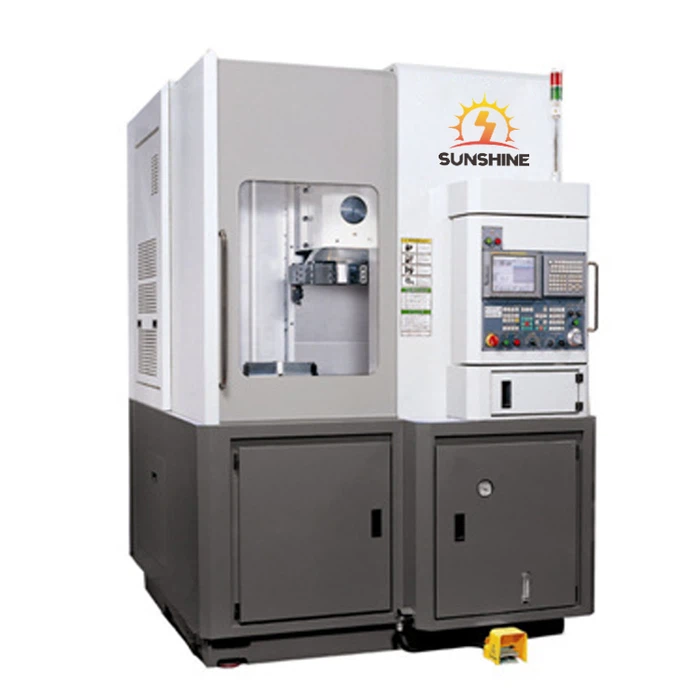
Small CNC vertical lathe
Suitable for processing small diameter workpieces, the diameter range is usually between a few millimeters and tens of millimeters.
It has a compact structure, small footprint, and relatively low cost, which is suitable for processing small batches or precision parts.
Medium CNC vertical lathe
Suitable for processing medium diameter workpieces, the diameter range is usually between tens of millimeters and hundreds of millimeters.
This type of vertical lathe is widely used in the production of various medium-sized parts and can meet general industrial processing needs.
Large CNC vertical lathe
Suitable for processing large diameter, large and heavy workpieces, with a diameter range from hundreds of millimeters to several meters.
This type of vertical lathe usually has higher rigidity and stability, can complete high-precision and large cutting tasks, and is widely used in engineering machinery, military industry, shipbuilding, automobiles, hydropower and wind turbines and other industries.
Application of CNC Vertical lathes
Aerospace industry
CNC Vertical lathes are used to manufacture components for aircraft engines, landing gears, and other aerospace parts.
Automotive industry
CNC Vertical lathes used for manufacturing precision parts such as crankshafts, camshafts, and other engine components.
Defense industry
CNC Vertical lathes are used for manufacturing critical components for military vehicles, weapons, and other defense applications.
Industrial machinery
CNC Vertical lathes are used in the production of metal cutting tools, gears, and other industrial machinery components.
Medical industry
CNC Vertical lathes are used for manufacturing medical devices such as surgical instruments, dental implants and custom orthopedic implants.
Electronics industry
CNC Vertical lathes are used for manufacturing precision parts for electronic equipment such as semiconductors, connectors, and other electronic components.
Heavy machinery industry
CNC Vertical lathes are used for manufacturing large-sized components such as shafts, axles, and gears for construction equipment, and other heavy machinery.
Art and design
CNC Vertical lathes are used for creating artistic and decorative objects such as sculptures, ornaments, mining equipment,and custom furniture pieces.
Bed and base
Usually made of high-strength cast iron or high-quality steel. These materials have sufficient rigidity and stability to support the weight of the entire machine tool and withstand various forces and vibrations during the processing. In particular, some high-end CNC vertical lathes use materials such as Meehanite cast iron (also known as ductile iron), which are annealed to eliminate internal stress and improve the rigidity and precision of the machine tool.
Column
Also made of high-strength materials to ensure that it can stably support the spindle box. The material of the column also needs to have sufficient rigidity and vibration resistance to ensure the stability of the processing process.
Spindle box
The key internal components such as spindle bearings, spindle transmission devices, etc. are usually made of high-precision alloy steel or bearing steel. These materials have good wear resistance and fatigue resistance to ensure the stability and precision of the spindle when it rotates at high speed and withstands cutting forces.
Feed mechanism
including servo motors, ball screws, linear guides and other components. Ball screws are usually made of high-hardness alloy steel, and the surface is precision-ground to improve accuracy and wear resistance; linear guides are made of alloy materials with good wear resistance to ensure the smoothness and accuracy of the feed motion.
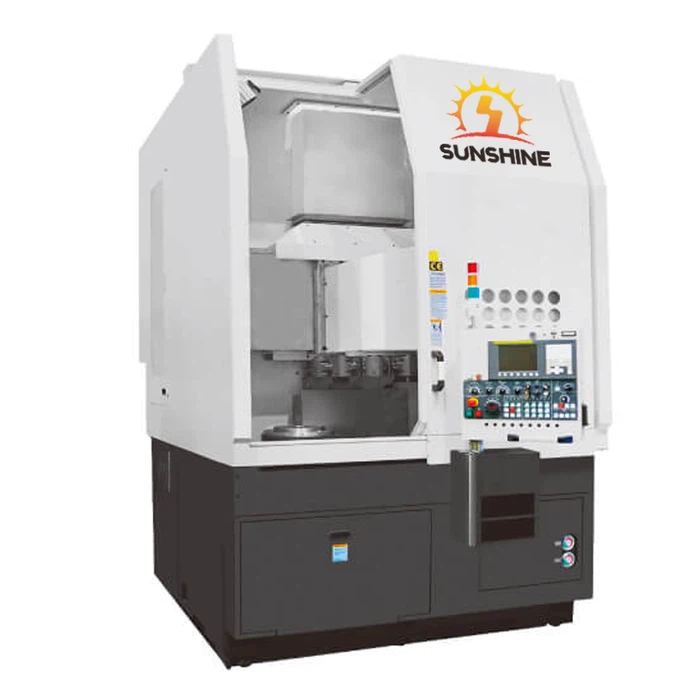
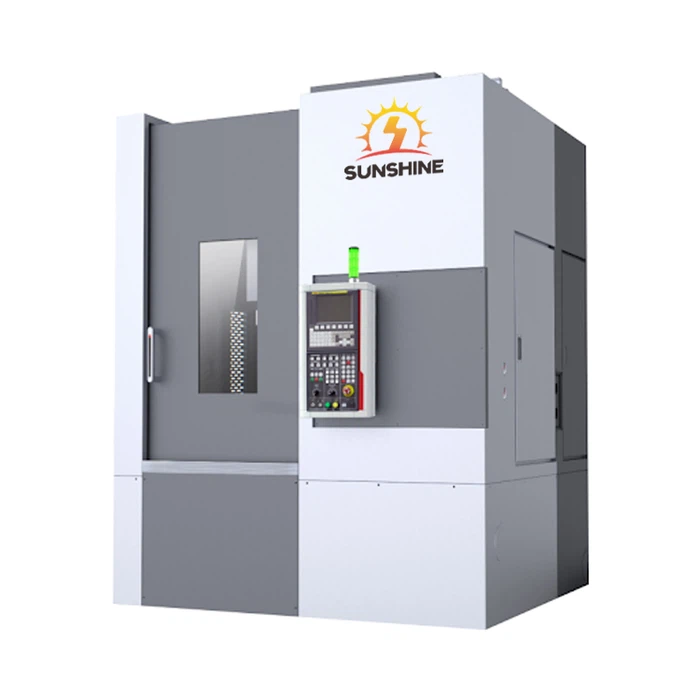
Design
A computer-aided design (CAD) software is used to create a 3D design of the part to be machined.
Preparation
The design is loaded into the CNC lathe's computer system, which translates the design into machine-readable code.
Set up
The machine operator loads the raw material into the lathe and sets up the necessary tools and fixtures, such as chucks and collets.
Programming
The operator inputs the CNC code into the machine's computer system, specifying the required cutting speeds, depths, and angles.
Execution
The machine begins the cutting process, automatically performing each step according to the programmed instructions until the part is completed.
Finishing
Depending on the application, the part may undergo additional processes such as polishing, plating, or painting before it can be used.
Bed and base
The bed and base are the basic structures of CNC vertical lathes. They are usually made of high-strength cast iron or high-quality steel. They have sufficient rigidity and stability to support the weight of the entire machine tool and withstand various forces and vibrations during processing.
Column
The column is a key component connecting the bed and the spindle box. It is perpendicular to the bed and supports the spindle box. The design of the column requires sufficient rigidity and stability to ensure the smooth operation of the spindle box during processing.
Workbench
The workbench is a platform for placing workpieces. It can usually move along the X-axis (horizontal direction) and the Z-axis (vertical direction). The movement of the workbench is driven by transmission devices such as servo motors and ball screws to achieve precise positioning and processing of workpieces.
Feed mechanism
The feed mechanism is a mechanism that controls the movement of the tool relative to the workpiece. It includes feed transmission devices for the X-axis, Y-axis and Z-axis. These transmission devices are usually composed of servo motors, ball screws, linear guides and other components to achieve precise feeding movement of the tool.
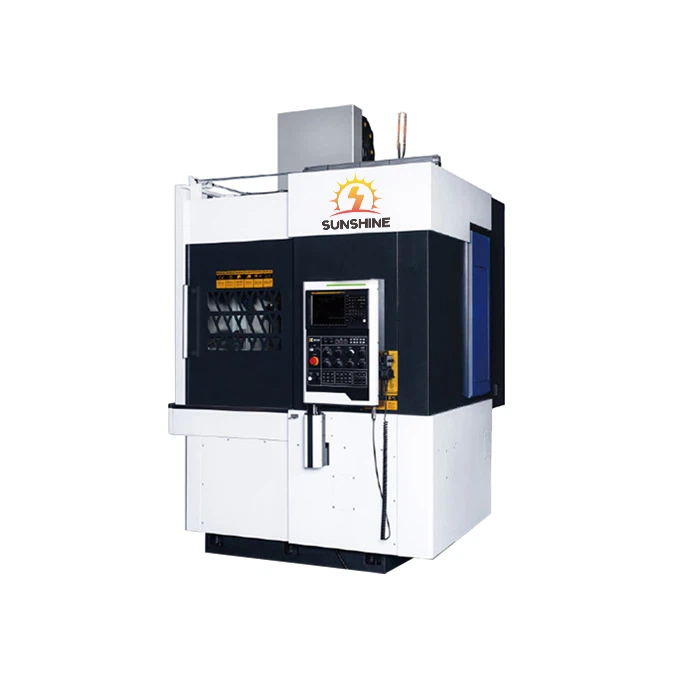
How to Maintain CNC Vertical lathes
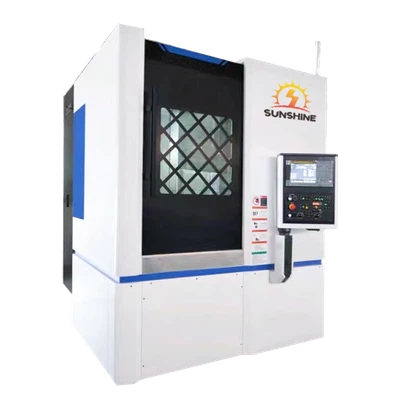
Regular cleaning
Keep your CNC vertical lathe clean and free of debris. Dust, metal shavings, and dirt can build up and damage the machine's delicate mechanical and electrical components. Regular cleaning will help ensure that the machine's parts move smoothly and accurately.
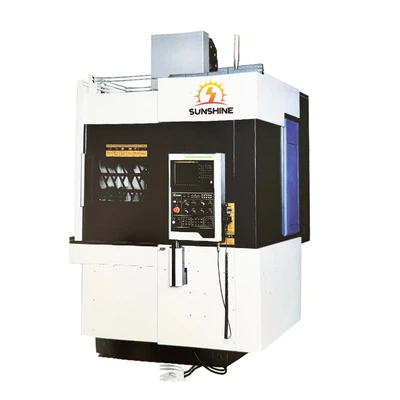
Lubrication
CNC vertical lathes use high-quality oil or grease to lubricate the moving parts. Lubrication helps prevent friction and wear on the machine parts. It also helps prevent rust and corrosion, which can damage the CNC vertical lathe over time.
Check alignment
Check the alignment of your CNC vertical lathe regularly to ensure it is operating within the manufacturer's specifications. Misalignment can lead to damaged parts and reduce the accuracy of the machine.
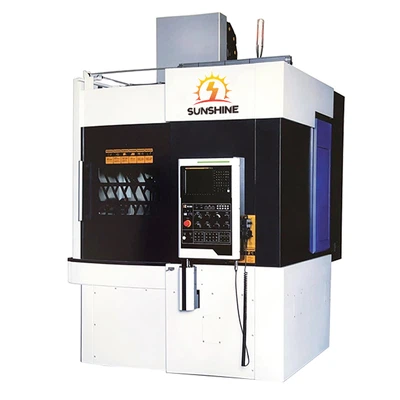
Check coolant
Make sure the coolant level on your CNC vertical lathe is maintained at the correct level and that the coolant used on the machine is the one recommended by the manufacturer. This will help prevent damage to the sensitive parts of the machine.
Service regularly
Seek professional help for regular maintenance of your CNC vertical lathe. A skilled technician can inspect, diagnose, and fix any problems with your machine. This will keep it running smoothly and efficiently and minimize downtime.
Keep a maintenance log
Keep a maintenance log of all maintenance and repairs performed on your CNC vertical lathe. This record will help identify any recurring problems and help you plan future maintenance and repairs.
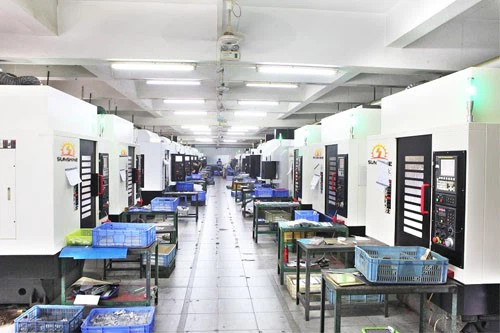
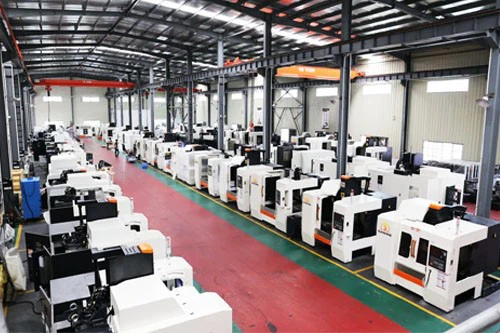
Our Factory
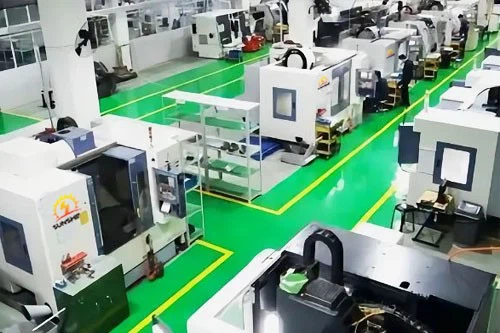
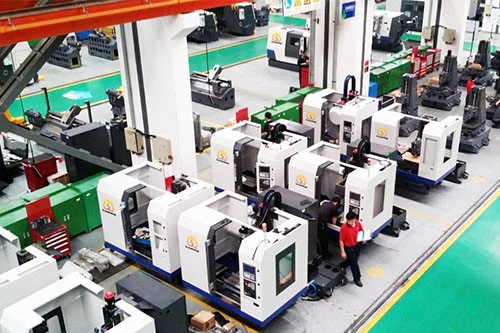
Since its establishment, Shandong Sunshine Machinery Co., Ltd. has always been committed to the research and development, manufacturing, sales and service of high-end CNC vertical lathe.
FAQ
Q: What is a CNC Vertical lathe?
Q: What is the difference between a manual lathe and aCNC Vertical lathe?
Q: How does a CNC Vertical lathe work?
Q: What materials can be machined on a CNC lathe?
Q: What is the maximum workpiece size that can be machined on a CNC lathe?
Q: How does a CNC lathe differ from a CNC mill?
Q: What are the advantages of using a CNC lathe?
Q: What is the programming language used for CNC lathes?
Q: Can a CNC lathe be operated by a beginner?
Q: What safety precautions should be taken when operating a CNC lathe?
Q: What is a CNC lathe chuck?
Q: What is the maximum cutting speed of a CNC lathe?
Q: What is the accuracy of a CNC lathe?
Q: What is the maintenance required for a CNC lathe?
Q: What is a lathe turret?
Q: What is a live tooling attachment on a CNC lathe?
Q: What is a sub-spindle on a CNC lathe?
Q: What is a bar feeder on a CNC lathe?
Q: What is a tailstock on a CNC lathe?
Q: What is a collet chuck on a CNC lathe?