

Hey there! As a supplier of hydraulic brake shoes, I've been thinking a lot about the environmental impact of these nifty little components. You might not give much thought to brake shoes when you're cruising down the road, but they play a huge role in both vehicle safety and our planet's well - being. So, let's dig into what the environmental impact of hydraulic brake shoes really is.
Material Sourcing and Production
First off, let's talk about where the materials for hydraulic brake shoes come from. Most brake shoes are made from a mix of metals, like steel and cast iron, and friction materials. Mining these metals is a major operation. It often involves large - scale extraction, which can lead to deforestation, soil erosion, and water pollution. For instance, when we mine iron ore, we're disrupting large areas of land. The waste rock from mining can contaminate nearby water sources with heavy metals, harming aquatic life.
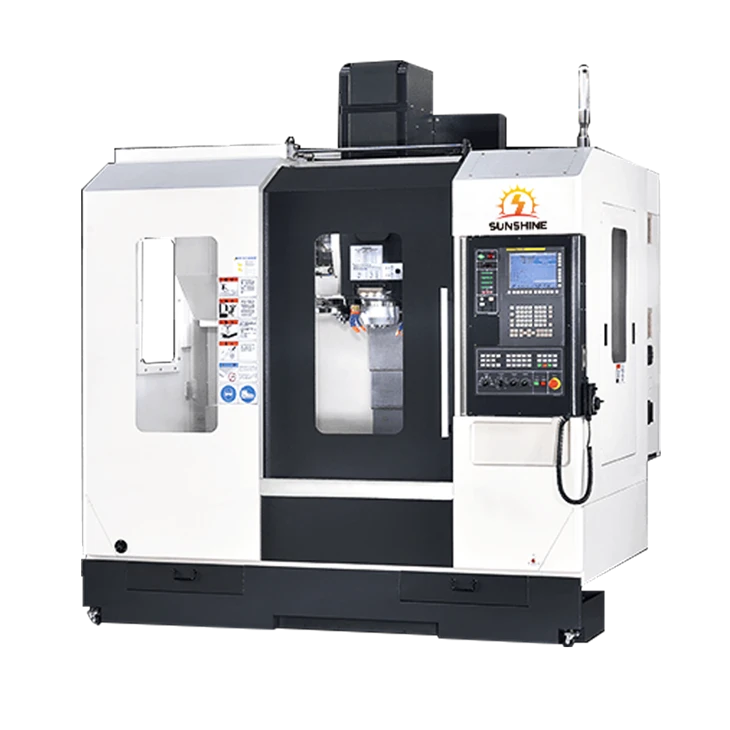

In the production process, energy consumption is a big deal. Manufacturing brake shoes requires a lot of heat for processes like casting and forging. Most of the energy comes from fossil fuels, which release greenhouse gases into the atmosphere. And let's not forget about the chemicals used in the production of friction materials. Some of these chemicals can be toxic and harmful to the environment if not properly managed.
However, at our company, we're trying to make a difference. We're constantly looking for more sustainable ways to source materials. For example, we're increasing our use of recycled metals. Recycling metals reduces the need for new mining, which in turn cuts down on environmental damage. We also invest in energy - efficient manufacturing technologies. By using Heavy - duty CNC inclined turning machining, we can produce brake shoes with less energy and higher precision. This not only benefits the environment but also improves the quality of our products.
Wear and Tear
Once the hydraulic brake shoes are on the road, they start to wear down. Every time you hit the brakes, tiny particles of the brake shoe material are released into the air. These particles, known as brake wear particles (BWPs), can be a significant source of air pollution. BWPs contain heavy metals and other harmful substances, which can be inhaled by humans and animals. Studies have shown that long - term exposure to these particles can lead to respiratory problems and other health issues.
The size of these particles matters too. Fine and ultrafine particles are especially concerning because they can penetrate deep into the lungs. In urban areas, where there's a high volume of traffic, the amount of BWPs in the air can be quite substantial. But it's not just the air that's affected. These particles can also settle on the ground and find their way into water bodies, causing water pollution.
To address this issue, we're working on developing brake shoes with better wear resistance. By reducing the amount of wear, we can cut down on the release of BWPs. Our research and development team is exploring new friction materials that are more durable and produce fewer particles. We're also looking into CNC lathe inclined guide rail technology to improve the manufacturing precision of brake shoes, which can further enhance their performance and reduce wear.
Disposal
When hydraulic brake shoes reach the end of their lifespan, proper disposal is crucial. If they're not disposed of correctly, the toxic materials in the brake shoes can leach into the soil and groundwater. Landfills are a common disposal method, but they're not always the best option. The heavy metals and chemicals in brake shoes can contaminate the surrounding environment over time.
Recycling is a much better alternative. We encourage our customers to return their used brake shoes to us for recycling. We have a recycling program in place where we separate the different materials in the brake shoes and reuse them in new products. This not only reduces waste but also conserves natural resources. For some of the more complex recycling processes, we use CNC Vertical Lathe Small Ck525 to disassemble and process the brake shoes more efficiently.
Regulatory Compliance
There are a number of environmental regulations in place regarding the production, use, and disposal of hydraulic brake shoes. These regulations are designed to protect the environment and human health. For example, some regions have limits on the amount of heavy metals that can be used in brake shoe materials. Others have requirements for proper disposal and recycling of used brake shoes.
As a responsible supplier, we make sure to comply with all these regulations. We also stay updated on the latest regulatory changes and adjust our production processes accordingly. This not only helps us avoid legal issues but also shows our commitment to environmental protection.
The Future of Hydraulic Brake Shoes
The future looks promising for making hydraulic brake shoes more environmentally friendly. There's a lot of research going on in the field. Scientists are exploring new materials, like carbon - fiber composites, which are lighter, more durable, and produce fewer wear particles. These materials could revolutionize the brake shoe industry.
We're also seeing a trend towards more electric and hybrid vehicles. These vehicles often use regenerative braking systems, which reduce the reliance on traditional hydraulic brake shoes. While this might seem like a threat to our business, it's actually an opportunity. We can adapt and develop brake shoes that are specifically designed for these new types of vehicles.
Conclusion
In conclusion, the environmental impact of hydraulic brake shoes is multi - faceted. From material sourcing and production to wear and tear and disposal, there are many areas where we can make a positive change. At our company, we're committed to reducing the environmental footprint of our hydraulic brake shoes. We're investing in research and development, improving our manufacturing processes, and promoting recycling.
If you're in the market for high - quality, environmentally friendly hydraulic brake shoes, we'd love to hear from you. Whether you're a vehicle manufacturer or a distributor, we can provide you with the products and solutions you need. Let's work together to make the world a greener place while ensuring the safety of vehicles on the road.
References
- European Environment Agency. (2019). Air quality in Europe — 2019 report.
- International Council on Clean Transportation. (2020). The contribution of non - exhaust emissions to particulate matter concentrations in Europe.
- SAE International. (2021). Standards for brake wear particle measurement and analysis.


