

Hey there! As a supplier of Vertical Machining Centers, I often get asked about the differences between heavy - duty and light - duty vertical machining centers. So, I thought I'd sit down and write this blog to clear up any confusion.

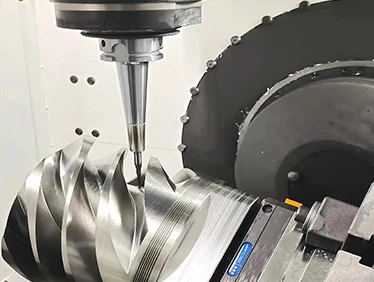
Let's start with the basics. A vertical machining center is a type of machine tool that uses a vertical spindle to cut and shape materials. These machines are super useful in a whole bunch of industries, from automotive to aerospace, and everything in between.
Heavy - Duty Vertical Machining Centers
Heavy - duty vertical machining centers are like the big, burly workhorses of the machining world. They're built to handle tough jobs and can take a lot of abuse.
Power and Torque
One of the main differences is the power and torque. Heavy - duty machines usually have more powerful motors, which means they can generate a lot more cutting force. This allows them to cut through harder materials like stainless steel, titanium, and cast iron. For example, if you're making parts for a heavy - duty construction equipment, you'll need a machine that can handle the thick and tough metal. With a heavy - duty vertical machining center, you can cut through these materials quickly and efficiently.
Structural Rigidity
Another key feature is the structural rigidity. These machines are built with thicker walls, heavier bases, and more robust components. This rigidity is important because it reduces vibration during the cutting process. When you're cutting at high speeds and with a lot of force, vibration can cause poor surface finish and inaccurate cuts. A heavy - duty machine can keep everything stable, ensuring that your parts are made to the highest precision. For instance, in the aerospace industry, where parts need to be extremely precise, a heavy - duty vertical machining center is a must - have.
Size and Capacity
Heavy - duty machines are also generally larger and have a greater work capacity. They can handle bigger workpieces, which is great for industries that produce large parts. If you're making large engine blocks or big structural components, a heavy - duty vertical machining center can accommodate the size and weight of these parts.
If you're interested in heavy - duty machining capabilities, you can check out Machining center boring and milling machine tools. This link will give you more information about the types of heavy - duty machining tools we offer.
Light - Duty Vertical Machining Centers
On the other hand, light - duty vertical machining centers are more like the nimble athletes of the machining world. They're designed for smaller, more delicate jobs.
Power and Torque
Light - duty machines have less powerful motors compared to their heavy - duty counterparts. They're better suited for cutting softer materials like aluminum, brass, and plastics. For example, if you're making small electronic components or jewelry parts, a light - duty machine can do the job just fine. You don't need a lot of cutting force for these materials, and a light - duty machine can save you energy and cost.
Structural Flexibility
These machines are also more flexible in terms of their structure. They're usually lighter and more portable, which means you can move them around the shop more easily. This is great for small - scale workshops or for jobs that require the machine to be in different locations. If you're a small business that does custom work, a light - duty vertical machining center can be a great investment because it's more affordable and easier to manage.
Size and Capacity
Light - duty machines are smaller and have a limited work capacity. They're ideal for producing small to medium - sized parts. If you're making small gears, brackets, or custom - made prototypes, a light - duty machine can handle these tasks efficiently.
If you're looking for precision parts customization for smaller projects, Machining Center Precision Parts Customization is a great resource. It shows the kind of precision work our light - duty machines can do.
Other Considerations
There are a few other things to think about when choosing between a heavy - duty and a light - duty vertical machining center.
Cost
Cost is a major factor. Heavy - duty machines are generally more expensive to purchase, operate, and maintain. They require more power, and their parts are often more costly to replace. Light - duty machines, on the other hand, are more budget - friendly. If you're just starting out or have a limited budget, a light - duty machine might be the way to go.
Production Volume
Your production volume also matters. If you're producing a large number of parts on a daily basis, a heavy - duty machine might be more efficient in the long run. It can handle the high - volume production without wearing out quickly. But if you're doing small - batch production or custom work, a light - duty machine can be more suitable.
Skill Level
The skill level of your operators is another consideration. Heavy - duty machines can be more complex to operate and require more experienced operators. Light - duty machines are usually easier to learn and operate, which is great for new or less - experienced workers.
Five - Axis Milling Machines
In some cases, you might also want to consider a Five - axis Milling Machine. These machines offer even more flexibility and precision compared to traditional vertical machining centers. They can move the workpiece in five different axes, allowing for more complex cuts and shapes. Whether you choose a heavy - duty or light - duty machine, adding a five - axis milling machine to your shop can take your machining capabilities to the next level.
Conclusion
So, there you have it! The main differences between heavy - duty and light - duty vertical machining centers come down to power, structural rigidity, size, cost, production volume, and skill requirements. Depending on your specific needs, you can choose the right machine for your business.
If you're still not sure which type of vertical machining center is right for you, or if you want to learn more about our products, don't hesitate to reach out. We're here to help you make the best decision for your machining needs. Contact us today to start a conversation about your procurement requirements.
References
- General knowledge from years of experience in the vertical machining center industry.
- Industry reports on machining center technology and applications.



