

What is the power consumption of a CNC vertical lathe?
As a supplier of CNC vertical lathes, I often receive inquiries from customers about the power consumption of these machines. Understanding the power consumption of a CNC vertical lathe is crucial for businesses, as it directly impacts operational costs and overall efficiency. In this blog post, I will delve into the factors that influence the power consumption of a CNC vertical lathe and provide some insights to help you make informed decisions.
Factors Affecting Power Consumption
-
Machine Size and Specifications
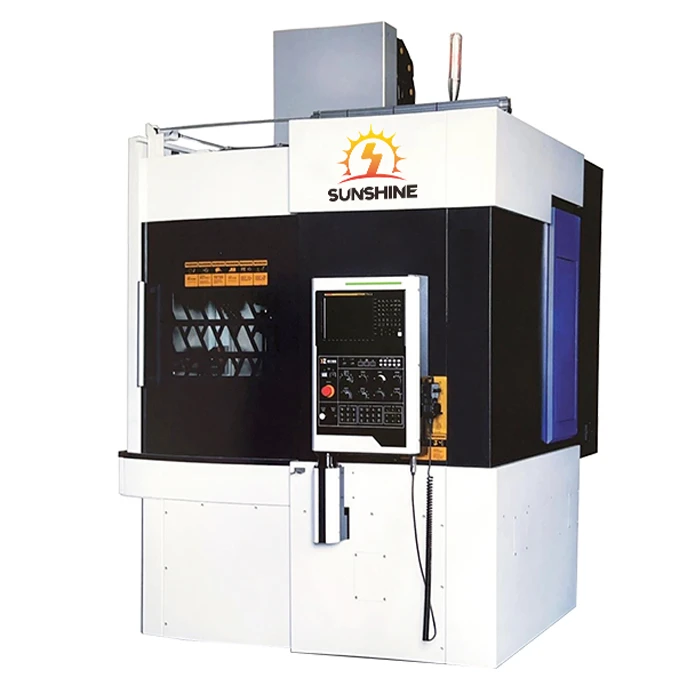
The size and specifications of a CNC vertical lathe play a significant role in determining its power consumption. Larger machines with more powerful motors and larger work envelopes generally consume more power. For example, a large-scale industrial CNC vertical lathe designed for heavy-duty machining will require more energy to operate compared to a Small CNC Vertical Lathe For Processing Discs. The latter is more suitable for smaller workpieces and has a relatively lower power requirement. -
Spindle Speed and Torque
The spindle is one of the most power-hungry components of a CNC vertical lathe. The spindle speed and torque settings directly affect the power consumption. Higher spindle speeds require more power to maintain, especially when combined with high torque requirements for cutting hard materials. When a lathe is set to a high spindle speed to achieve a fast cutting rate, the motor has to work harder, resulting in increased power consumption. -
Cutting Parameters
The cutting parameters, such as feed rate, depth of cut, and cutting tool selection, also have a significant impact on power consumption. A higher feed rate and deeper depth of cut mean more material is being removed per unit time, which requires more power. Additionally, using a dull or inappropriate cutting tool can increase the cutting force and, consequently, the power consumption. For instance, if a tool is not sharp enough, the lathe has to apply more force to cut through the material, leading to higher energy usage. -
Auxiliary Systems
CNC vertical lathes are equipped with various auxiliary systems, such as coolant pumps, lubrication systems, and hydraulic systems. These systems also consume power. The coolant pump, for example, is used to keep the cutting tool cool during the machining process. The power consumption of the coolant pump depends on its size and the flow rate required. Similarly, the hydraulic system, which is used for functions like clamping the workpiece, also adds to the overall power consumption of the machine. -
Control System and Automation Features
Modern CNC vertical lathes are equipped with advanced control systems and automation features. These systems require power to operate, although the amount of power consumed is relatively small compared to the main components. However, as the complexity of the control system and automation features increases, so does the power consumption. For example, a lathe with a high - end touch - screen control panel and advanced programming capabilities may consume slightly more power than a basic model.
Measuring and Calculating Power Consumption
To accurately measure the power consumption of a CNC vertical lathe, you can use a power meter. A power meter can be connected to the electrical supply of the lathe to measure the real - time power consumption. This allows you to monitor how the power consumption changes under different operating conditions.
In some cases, you can also calculate the approximate power consumption based on the machine's specifications. The power rating of the main spindle motor, coolant pump, and other components are usually provided by the manufacturer. By adding up the power ratings of all the components and considering their operating times, you can get an estimate of the total power consumption. For example, if the spindle motor has a power rating of 10 kW and operates for 5 hours a day, and the coolant pump has a power rating of 1 kW and operates for the same 5 hours, the total power consumption for these two components alone would be (10 + 1) × 5 = 55 kWh per day.
Strategies to Reduce Power Consumption
-
Optimize Cutting Parameters
By carefully selecting the cutting parameters, you can reduce the power consumption of the CNC vertical lathe. This involves finding the right balance between feed rate, depth of cut, and spindle speed. For example, using a slightly lower feed rate and depth of cut may result in a more efficient cutting process with less power consumption. You can also use high - performance cutting tools that are designed to reduce cutting forces and improve cutting efficiency. -
Proper Maintenance
Regular maintenance of the CNC vertical lathe is essential for reducing power consumption. Keeping the spindle bearings lubricated, the cutting tools sharp, and the coolant system clean can ensure that the machine operates at its optimal efficiency. A well - maintained machine requires less power to perform the same tasks. For instance, lubricating the spindle bearings reduces friction, which in turn reduces the power required to rotate the spindle.
-
Energy - Saving Modes
Many modern CNC vertical lathes are equipped with energy - saving modes. These modes can automatically adjust the machine's operation to reduce power consumption during idle periods or when the machine is not in full - load operation. For example, the spindle may be set to a lower speed or put into a standby mode when there is no cutting operation taking place. -
Efficient Auxiliary System Operation
You can also optimize the operation of the auxiliary systems to reduce power consumption. For example, you can adjust the coolant flow rate to the minimum required for effective cooling, or turn off the lubrication system when it is not needed. This can significantly reduce the power consumption of these auxiliary systems without compromising the machining quality.
Case Study: Power Consumption Comparison
Let's take a look at a case study comparing two different CNC vertical lathes: the VTC40 CNC Vertical Lathe Made in China and a smaller, more basic model.
The VTC40 is a medium - sized CNC vertical lathe with a 15 kW spindle motor, a 1.5 kW coolant pump, and a 0.5 kW lubrication system. Under normal operating conditions, with a spindle speed of 1000 rpm, a feed rate of 0.2 mm/rev, and a depth of cut of 2 mm, the power consumption of the VTC40 is approximately 18 kWh per hour.
On the other hand, a smaller basic model with a 5 kW spindle motor, a 0.5 kW coolant pump, and a 0.2 kW lubrication system has a power consumption of about 6 kWh per hour under similar cutting conditions. This shows the significant difference in power consumption between different models based on their size and specifications.
Conclusion
In conclusion, the power consumption of a CNC vertical lathe is influenced by multiple factors, including machine size, spindle speed, cutting parameters, auxiliary systems, and control features. By understanding these factors, you can take steps to optimize the power consumption of your lathe and reduce operational costs. Whether you are a small - scale workshop or a large - scale manufacturing plant, managing the power consumption of your CNC vertical lathe is essential for improving efficiency and profitability.
If you are interested in purchasing a CNC vertical lathe or have any questions about power consumption and energy - saving strategies, feel free to contact us. We are a professional supplier of CNC vertical lathes and can provide you with detailed information and customized solutions to meet your specific needs. Our team of experts is ready to assist you in making the right choice for your machining operations.
References
- "CNC Machining Handbook", John Wiley & Sons
- "Manufacturing Engineering and Technology", Pearson Education
- Technical specifications provided by CNC vertical lathe manufacturers


