

Hey there! As a supplier of CNC lathes, I often get asked about the power requirements for these machines. It's a crucial topic because getting the power setup right can make or break the performance of your CNC lathe. So, let's dive right in and explore what you need to know.
First off, what exactly is a CNC lathe? Well, it's a computer numerical control lathe that uses pre-programmed computer software to control the movement of the cutting tools and the rotation of the workpiece. These machines are super precise and can handle all sorts of complex machining tasks, from simple turning operations to creating intricate parts for industries like automotive, aerospace, and more.
Now, when it comes to power requirements, there are a few key factors to consider. The first one is the type of CNC lathe you have or are planning to get. There are different kinds, such as horizontal and vertical lathes, and each has its own power needs.
Let's start with the motor power. The main motor of a CNC lathe is responsible for rotating the workpiece. The power of this motor can vary widely depending on the size and capacity of the lathe. Smaller CNC lathes, like those used for hobbyist or light - industrial work, might have a motor power of around 1 - 3 horsepower (HP). These are great for small - scale projects and don't require a huge amount of electrical power.
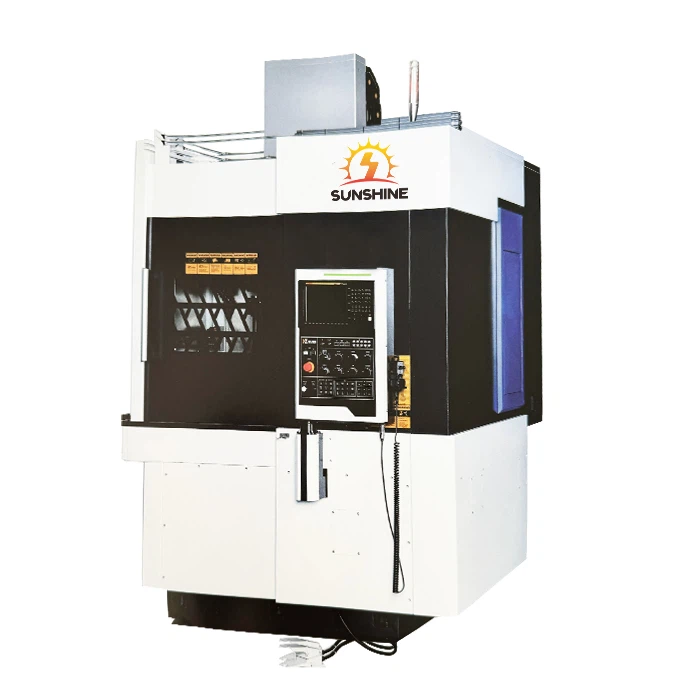
On the other hand, larger industrial - grade CNC lathes can have motor powers ranging from 5 HP all the way up to 50 HP or more. These big boys are designed to handle heavy - duty machining operations, like turning large diameter shafts or working with tough materials such as stainless steel or titanium. For example, our VTC100 Cnc Vertical Turning Lathe Machine is a high - performance vertical lathe that requires a significant amount of power to operate efficiently due to its large working area and high - torque motor.
Another important aspect of power requirements is the control system. The control system of a CNC lathe is like its brain. It manages all the movements, speeds, and functions of the machine. Modern CNC control systems are highly sophisticated and usually require a relatively stable power supply. They typically operate on low - voltage DC power, which is often derived from a power supply unit that converts the incoming AC power from the mains.

The power supply unit needs to be able to provide a clean and consistent power output to ensure the proper functioning of the control system. Any fluctuations or interruptions in the power can cause errors in the programming, leading to inaccurate machining results or even damage to the control system components.
In addition to the main motor and the control system, there are other auxiliary components in a CNC lathe that also consume power. These include the coolant pump, which circulates the coolant to keep the cutting tools and the workpiece cool during machining. The coolant pump usually has a power rating of a few hundred watts, depending on its size and capacity.
There's also the lubrication system, which keeps the moving parts of the lathe well - lubricated to reduce friction and wear. The lubrication pump might have a power rating similar to that of the coolant pump. And let's not forget about the tool turret, which holds and changes the cutting tools. The power required to operate the tool turret depends on its type and the number of tools it can hold.
Now, let's talk about the electrical supply requirements. Most CNC lathes in industrial settings are designed to operate on a three - phase electrical supply. Three - phase power is more efficient and provides a more stable power source compared to single - phase power. The voltage of the three - phase supply can vary, but common voltages are 208V, 230V, 400V, and 480V, depending on the region and the specific requirements of the machine.
For smaller CNC lathes used in home workshops or small businesses, a single - phase electrical supply might be sufficient. These are usually available at 110V or 220V, which are standard household voltages in many countries. However, it's important to note that if you plan to upgrade to a larger CNC lathe in the future, you might need to have a three - phase electrical supply installed in your facility.
When it comes to power consumption, it's not just about the rated power of the components. The actual power consumption of a CNC lathe can vary depending on the machining operations being performed. For example, when the lathe is idling, it consumes much less power than when it's actively cutting a workpiece. During heavy - duty machining operations, the power consumption can spike as the motor has to work harder to overcome the resistance of the material being cut.
To manage the power consumption effectively, many modern CNC lathes are equipped with energy - saving features. These can include variable frequency drives (VFDs) for the main motor, which allow the motor speed to be adjusted according to the machining requirements. By reducing the motor speed when it's not necessary to run at full capacity, the power consumption can be significantly reduced.
Now, if you're in the market for a CNC lathe, it's essential to consider the power requirements right from the start. Make sure you have the appropriate electrical infrastructure in place to support the machine. If you're unsure, you can always consult with an electrician or a technical expert.
We offer a wide range of CNC lathes to suit different needs and budgets. Our CNC vertical lathe for automobile wheel hub disc brake drum is specifically designed for the automotive industry, with optimized power usage for high - precision machining of wheel hubs and brake drums. And our High speed CNC lathe is perfect for applications where speed and efficiency are key.
If you're interested in learning more about our CNC lathes or have any questions regarding power requirements, we'd love to hear from you. Whether you're a small business owner looking to upgrade your machining capabilities or a large - scale manufacturer in need of high - performance equipment, we can help you find the right CNC lathe for your needs. Don't hesitate to reach out to us for a consultation and start exploring the possibilities of our top - quality CNC lathes.
References
- General knowledge of CNC lathe technology from industry experience.
- Technical specifications of various CNC lathe models.



