

When it comes to the installation requirements for a Horizontal CNC Machine, as a seasoned supplier in this field, I understand the importance of getting every detail right. A proper installation not only ensures the machine's optimal performance but also extends its service life. In this blog, I'll share comprehensive insights into the key installation requirements for a Horizontal CNC Machine.
Site Preparation
The first step in installing a Horizontal CNC Machine is to prepare the installation site. The floor where the machine will be placed must be flat and capable of supporting the machine's weight. A horizontal CNC machine can be quite heavy, and any unevenness in the floor can lead to misalignment of the machine components, which may result in poor machining accuracy and premature wear of parts.
The floor should have a flatness tolerance within a specific range. Generally, for most horizontal CNC machines, the floor flatness should be within ± 0.5 mm per square meter. This level of flatness ensures that the machine's base can make full and even contact with the floor, providing a stable foundation.
In addition to flatness, the floor must have sufficient load - bearing capacity. The load - bearing capacity requirements vary depending on the size and weight of the specific Horizontal CNC Machine. For example, larger and more complex machines may require a floor with a load - bearing capacity of up to 5 tons per square meter. Before installation, it's essential to consult the machine's technical documentation to determine the exact load - bearing requirements.
The installation site should also have adequate space around the machine. There should be enough clearance for operators to move freely, access the control panel, and perform maintenance tasks. A general rule of thumb is to leave at least 1 - 2 meters of clearance on all sides of the machine. This space allows for easy loading and unloading of workpieces, as well as safe operation of the machine.
Electrical Requirements
Horizontal CNC Machines are highly automated and rely on a stable electrical supply. The power supply voltage must match the machine's specifications. Most horizontal CNC machines operate on a three - phase power supply, typically with a voltage of 380V or 415V, depending on the region.
It's crucial to have a dedicated electrical circuit for the Horizontal CNC Machine. This dedicated circuit helps prevent power fluctuations and interference from other electrical equipment in the factory. A circuit breaker with the appropriate rating should be installed to protect the machine from over - current situations.
The electrical wiring should be properly sized to handle the machine's power requirements. Undersized wiring can lead to overheating, voltage drops, and potential damage to the machine's electrical components. It's recommended to consult an electrician with experience in industrial electrical installations to ensure that the wiring is correctly installed and meets all safety standards.
Cooling and Lubrication Systems
Horizontal CNC Machines generate a significant amount of heat during operation, especially in the spindle and cutting tools. Therefore, a proper cooling system is essential. The cooling system typically consists of a coolant tank, pump, and piping.
The coolant used in the system should be of the appropriate type and concentration. Different machining operations may require different types of coolants, such as water - soluble coolants for general machining or synthetic coolants for high - speed and high - precision machining. The coolant concentration should be maintained within the recommended range to ensure effective cooling and corrosion protection.
The lubrication system is also crucial for the smooth operation of the machine. All moving parts, such as the ball screws, linear guides, and bearings, need to be properly lubricated. The lubricant should be of high quality and compatible with the machine's components. Regular lubrication checks and refills are necessary to prevent excessive wear and tear of the moving parts.
Environmental Conditions
The environmental conditions in the installation area can have a significant impact on the performance of the Horizontal CNC Machine. The temperature and humidity levels should be within a certain range. Generally, the recommended temperature range for most horizontal CNC machines is between 20°C - 25°C, and the relative humidity should be maintained between 40% - 60%.
Extreme temperatures can cause thermal expansion or contraction of the machine's components, leading to dimensional changes and reduced machining accuracy. High humidity can cause corrosion of metal parts and electrical components, while low humidity can generate static electricity, which may damage sensitive electronic components.
The installation area should also be free from excessive dust, dirt, and vibrations. Dust and dirt can accumulate on the machine's moving parts and electrical components, causing abrasion and malfunctions. Vibrations from nearby machinery or external sources can affect the machine's stability and machining accuracy. If necessary, vibration - isolating pads or foundations can be installed to minimize the impact of vibrations.
Machine Assembly and Alignment
Once the site is prepared and all the necessary systems are in place, the Horizontal CNC Machine can be assembled and aligned. The assembly process should follow the manufacturer's instructions carefully. All components should be installed in the correct order and tightened to the specified torque values.
Alignment is a critical step in the installation process. The machine's axes need to be aligned precisely to ensure accurate machining. This typically involves using precision measuring tools, such as laser interferometers, to measure and adjust the alignment of the linear guides and ball screws. The spindle also needs to be aligned correctly to ensure proper cutting performance.
Testing and Commissioning
After the machine is assembled and aligned, a series of tests should be conducted to ensure its proper operation. These tests include electrical tests, mechanical tests, and machining tests.
Electrical tests are performed to check the functionality of the electrical system, including the control panel, motors, and sensors. Mechanical tests are used to verify the smooth operation of the moving parts, such as the axes and the spindle. Machining tests involve running sample workpieces to check the machine's machining accuracy and surface finish.
Once all the tests are successfully completed, the machine is ready for commissioning. Commissioning involves training the operators on how to use the machine safely and effectively, as well as providing them with the necessary documentation and support.
Conclusion
Installing a Horizontal CNC Machine requires careful planning and attention to detail. By following the installation requirements outlined above, you can ensure that your machine operates at its best and provides high - quality machining results.
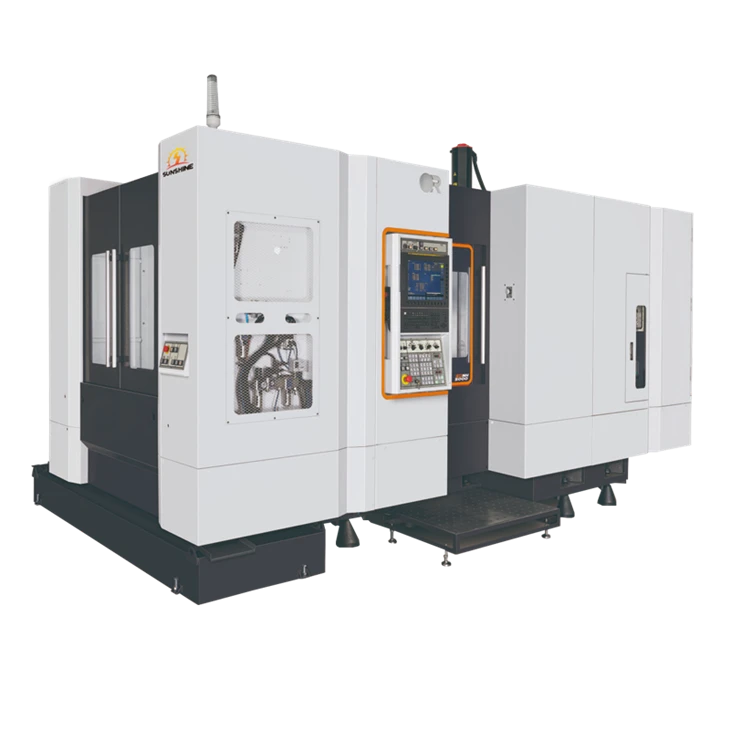

If you're interested in our Horizontal CNC Machines, such as the Kitamura Horizontal, Used Horizontal Machining Center, or Horizontal Machining Center HMC1814, please feel free to contact us for more information and to start the procurement negotiation process. We're committed to providing you with the best products and services in the industry.
References
- Manufacturer's technical documentation for Horizontal CNC Machines
- Industrial electrical installation standards
- Precision machining handbooks



