

As a supplier of Cutting NC Machine Tools, I understand the significance of reducing setup time in the manufacturing process. Minimizing setup time not only enhances productivity but also reduces costs and improves overall efficiency. In this blog post, I will share some practical strategies and techniques that can help you reduce the setup time of your Cutting NC Machine Tool.
1. Pre - setup Planning
Effective pre - setup planning is the cornerstone of reducing setup time. Before starting the actual setup process, it is crucial to gather all the necessary information and resources.

-
Part and Process Analysis: Thoroughly analyze the part to be machined and the machining process. Understand the specific requirements, such as dimensions, tolerances, and surface finishes. This analysis will help you determine the appropriate cutting tools, fixtures, and machining parameters in advance. For example, if you are machining a complex part with tight tolerances, you may need to select high - precision cutting tools like those used in a High Precision CNC Milling Machine.
-
Tool and Fixture Preparation: Prepare all the required cutting tools and fixtures well in advance. Check the condition of the tools, ensuring they are sharp and in good working order. Clean and inspect the fixtures to ensure proper alignment and clamping. By having all the tools and fixtures ready, you can avoid delays during the setup process.
-
Documentation Review: Review the machining program and any relevant documentation. Make sure you understand the sequence of operations, tool paths, and any special instructions. This will help you anticipate potential issues and plan the setup accordingly.
2. Standardization
Standardization plays a vital role in reducing setup time. By standardizing the setup procedures, tools, and fixtures, you can eliminate unnecessary variations and streamline the process.
- Setup Procedures: Develop standardized setup procedures for different types of parts and machining operations. Document these procedures clearly, including step - by - step instructions, tooling requirements, and machine settings. Train your operators to follow these standardized procedures consistently. This reduces the learning curve for new operators and ensures that setups are performed efficiently every time.
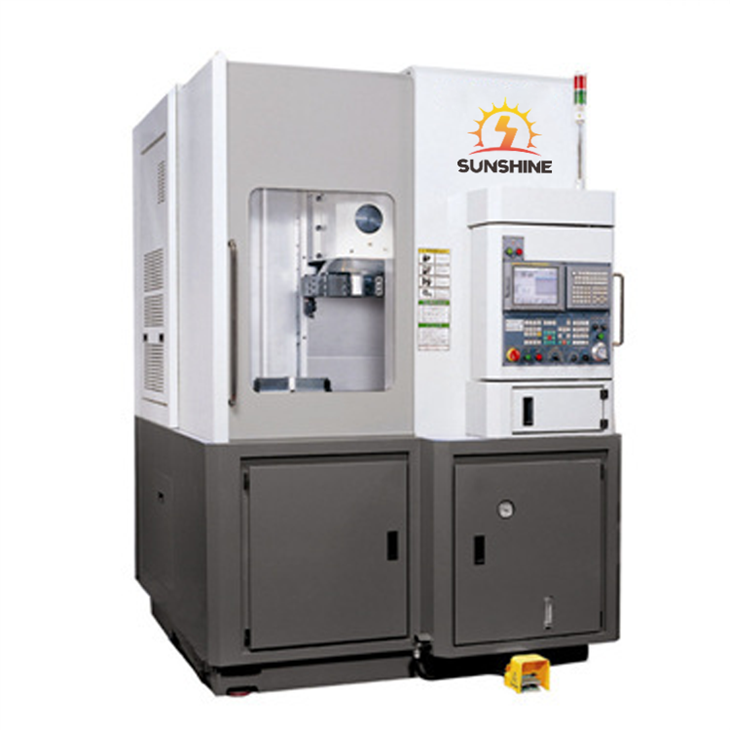
- Tooling and Fixtures: Standardize the cutting tools and fixtures used in your Cutting NC Machine Tool. Use common tool holders, inserts, and fixtures across different parts and operations. This not only simplifies the tool management process but also reduces the time required to change tools and fixtures during setup. For instance, a Multifunctional Fully Protected CNC Vertical Lathe can be equipped with standardized tooling systems for faster setup.
3. Quick - change Tooling Systems
Investing in quick - change tooling systems can significantly reduce setup time. These systems allow for rapid tool changes without the need for extensive adjustments.
- Tool Holders: Use quick - change tool holders that can be easily mounted and dismounted from the machine spindle. These tool holders are designed to provide accurate and repeatable tool positioning, reducing the time spent on tool alignment.
- Insert Systems: Adopt cutting tool insert systems that enable fast and easy insert changes. Indexable inserts can be quickly replaced when they become worn, without the need to replace the entire cutting tool. This saves time and reduces tooling costs.
4. Fixture Design and Optimization
The design of fixtures has a direct impact on setup time. Well - designed fixtures can reduce the time required for part positioning, clamping, and alignment.
- Modular Fixtures: Consider using modular fixtures that can be easily reconfigured for different parts. These fixtures consist of standardized components that can be assembled and disassembled quickly, allowing for rapid setup changes.
- Fixture Automation: Automate the clamping and positioning functions of fixtures. Pneumatic or hydraulic clamping systems can provide fast and consistent clamping force, reducing the time spent on manual clamping operations. Additionally, automated fixture positioning systems can ensure accurate part alignment, further reducing setup time.
5. Operator Training
Well - trained operators are essential for reducing setup time. Provide comprehensive training to your operators on the setup procedures, tooling systems, and machine operation.
- Technical Training: Offer technical training on the operation of the Cutting NC Machine Tool, including programming, tooling selection, and setup procedures. This will help operators understand the machine's capabilities and how to optimize the setup process.
- Problem - solving Training: Train operators to identify and solve common setup problems quickly. Provide them with troubleshooting guides and encourage them to share their experiences and solutions with other operators. This collective knowledge can help reduce setup time by avoiding recurring issues.
6. Lean Manufacturing Principles
Applying lean manufacturing principles can help eliminate waste and improve the efficiency of the setup process.
- Value Stream Mapping: Conduct a value stream mapping exercise to identify the non - value - added activities in the setup process. Look for opportunities to eliminate or reduce these activities, such as unnecessary tool changes, excessive movement, or waiting time.
- Continuous Improvement: Establish a culture of continuous improvement in your manufacturing facility. Encourage operators and supervisors to suggest improvements to the setup process regularly. Implement these suggestions and monitor the results to ensure ongoing efficiency gains.
7. Machine Monitoring and Maintenance
Regular machine monitoring and maintenance are essential for ensuring optimal performance and reducing setup time.
- Machine Monitoring: Use machine monitoring systems to track the performance of your Cutting NC Machine Tool. Monitor parameters such as spindle speed, feed rate, and tool wear. By detecting potential issues early, you can schedule maintenance and avoid unexpected breakdowns during the setup process.
- Preventive Maintenance: Implement a preventive maintenance program for your machine tool. Regularly clean, lubricate, and inspect the machine components to ensure they are in good working condition. Replace worn parts before they cause problems, reducing the risk of setup delays due to machine failures.
8. Simulation and Virtual Setup
Utilize simulation software to perform virtual setups before actual machining. This allows you to visualize the setup process, identify potential issues, and optimize the machining program.
- Tool Path Simulation: Use tool path simulation software to verify the machining program and ensure that the tool paths are correct. This helps to avoid errors and collisions during the actual setup and machining process.
- Fixture and Part Simulation: Simulate the fixture and part setup to check for proper alignment and clamping. This can help you identify any potential interference or clearance issues before starting the setup on the machine.
In conclusion, reducing the setup time of a Cutting NC Machine Tool requires a comprehensive approach that includes pre - setup planning, standardization, quick - change tooling systems, fixture optimization, operator training, lean manufacturing principles, machine monitoring, and simulation. By implementing these strategies, you can significantly improve the productivity and efficiency of your manufacturing operations.
If you are interested in learning more about our Cutting NC Machine Tools or need assistance in reducing the setup time of your existing machines, please feel free to contact us for procurement and further discussions. We are committed to providing high - quality machine tools and solutions to meet your manufacturing needs.
References
- Groover, M. P. (2010). Fundamentals of Modern Manufacturing: Materials, Processes, and Systems. John Wiley & Sons.
- Schuh, G., & Weber, M. (2012). Lean Production in High - Tech Industries. Springer.
- Wiendahl, H. - P., & Scholtissek, C. (2007). Machine Tools for Production Engineering. Springer.



