

Upgrading a stepper-driven CNC lathe to a servo-driven one can significantly enhance the machine's performance, precision, and efficiency. As a reputable CNC lathe supplier, I've witnessed firsthand the transformative benefits of such an upgrade. In this blog post, I'll guide you through the process, sharing insights and tips based on my extensive experience in the industry.
Understanding the Differences Between Stepper and Servo Systems
Before diving into the upgrade process, it's essential to understand the fundamental differences between stepper and servo systems. Stepper motors are cost-effective and simple to control, making them a popular choice for entry-level CNC lathes. They operate in discrete steps, moving the machine's axes in fixed increments. However, stepper motors have limitations in terms of speed, torque, and accuracy, especially when handling complex machining tasks.
On the other hand, servo motors offer superior performance and precision. They use feedback mechanisms, such as encoders, to continuously monitor the motor's position and adjust its speed and torque accordingly. This allows servo-driven CNC lathes to achieve higher speeds, greater torque, and more accurate positioning, resulting in improved surface finish and dimensional accuracy.
Assessing Your CNC Lathe
The first step in upgrading your stepper-driven CNC lathe to a servo-driven one is to assess the machine's current condition and capabilities. Here are some key factors to consider:
- Mechanical Structure: Check the lathe's mechanical components, such as the bed, spindle, and slides, for any signs of wear or damage. A servo-driven system requires a rigid and stable mechanical structure to operate effectively. If necessary, perform any necessary repairs or upgrades to ensure the machine's mechanical integrity.
- Electrical System: Evaluate the lathe's electrical system, including the control panel, power supply, and wiring. A servo-driven system typically requires a more sophisticated electrical setup than a stepper-driven system. You may need to upgrade the control panel, install a new power supply, or rewire the machine to accommodate the servo motors and drives.
- Controller Compatibility: Determine whether your existing CNC controller is compatible with servo motors. Some older controllers may not support servo drives or may require additional software or hardware upgrades to work with them. If your controller is not compatible, you'll need to purchase a new one that is specifically designed for servo-driven systems.
Selecting the Right Servo System
Once you've assessed your CNC lathe, the next step is to select the right servo system for your needs. Here are some factors to consider when choosing a servo system:
- Motor Size and Power: Choose servo motors that are appropriately sized and powered for your lathe's application. The motor's size and power will depend on factors such as the lathe's spindle speed, feed rate, and cutting forces. Consult with a servo system manufacturer or distributor to determine the best motor size and power for your specific requirements.
- Drive Type: There are two main types of servo drives: analog and digital. Analog drives are less expensive but offer lower performance and accuracy than digital drives. Digital drives, on the other hand, are more expensive but provide higher performance, greater accuracy, and more advanced features. Choose the drive type that best suits your needs and budget.
- Feedback Device: Servo motors typically use feedback devices, such as encoders or resolvers, to monitor the motor's position and speed. Encoders are more common and offer higher resolution and accuracy than resolvers. Choose a feedback device that is compatible with your servo drive and provides the level of accuracy and resolution required for your application.
Installing the Servo System
Once you've selected the right servo system for your CNC lathe, the next step is to install it. Here are the general steps involved in installing a servo system:
- Remove the Stepper Motors and Drives: Disconnect the stepper motors and drives from the lathe's electrical system and mechanical components. Remove the motors and drives from the machine and set them aside.
- Install the Servo Motors: Mount the servo motors to the lathe's mechanical components, such as the spindle, slides, and turret. Connect the motors to the servo drives using the appropriate wiring and connectors.
- Install the Servo Drives: Mount the servo drives to the lathe's control panel or electrical cabinet. Connect the drives to the power supply and the CNC controller using the appropriate wiring and connectors.
- Connect the Feedback Devices: Connect the feedback devices, such as encoders or resolvers, to the servo motors and drives. Make sure the feedback devices are properly aligned and calibrated to ensure accurate position and speed feedback.
- Configure the CNC Controller: Configure the CNC controller to work with the servo system. This may involve adjusting the controller's parameters, such as the motor's acceleration and deceleration rates, the maximum speed and torque, and the position and speed feedback settings. Consult the controller's user manual or a servo system manufacturer for detailed instructions on how to configure the controller.
Testing and Tuning the Servo System
After installing the servo system, the next step is to test and tune it to ensure optimal performance. Here are the general steps involved in testing and tuning a servo system:
- Power On the System: Turn on the lathe's power supply and the servo system. Check the system for any error messages or abnormal behavior.
- Perform a Manual Jog Test: Use the CNC controller's manual jog function to move the lathe's axes manually. Check the axes for smooth and accurate movement. If the axes do not move smoothly or accurately, adjust the servo drive's parameters, such as the gain and offset settings, to improve the performance.
- Perform a Programmed Test: Run a simple CNC program to test the servo system's performance. Check the program for any errors or abnormal behavior. If the program does not run correctly, adjust the CNC controller's parameters or the servo drive's settings to correct the problem.
- Tune the Servo System: Use a servo system tuning tool, such as an oscilloscope or a servo drive analyzer, to fine-tune the servo system's performance. Adjust the servo drive's parameters, such as the gain, offset, and damping settings, to optimize the system's response time, stability, and accuracy.
Benefits of Upgrading to a Servo-Driven CNC Lathe
Upgrading your stepper-driven CNC lathe to a servo-driven one offers several benefits, including:
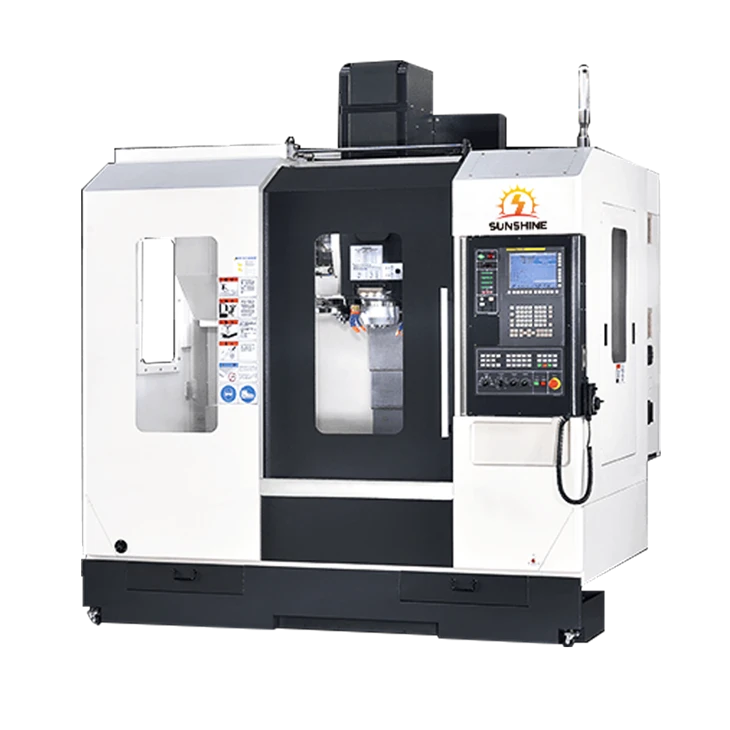

- Improved Performance: Servo-driven CNC lathes offer higher speeds, greater torque, and more accurate positioning than stepper-driven lathes, resulting in improved surface finish and dimensional accuracy.
- Increased Productivity: The improved performance of servo-driven CNC lathes allows you to machine parts faster and more efficiently, reducing the production time and increasing the productivity.
- Enhanced Precision: Servo-driven CNC lathes offer greater precision and repeatability than stepper-driven lathes, making them ideal for machining complex and high-precision parts.
- Better Surface Finish: The smooth and accurate movement of servo-driven CNC lathes results in a better surface finish on the machined parts, reducing the need for secondary finishing operations.
- Reduced Maintenance: Servo-driven CNC lathes require less maintenance than stepper-driven lathes, as they have fewer moving parts and are less prone to wear and tear.
Conclusion
Upgrading a stepper-driven CNC lathe to a servo-driven one is a significant investment that can significantly enhance the machine's performance, precision, and efficiency. By following the steps outlined in this blog post, you can successfully upgrade your CNC lathe to a servo-driven one and enjoy the benefits of improved performance, increased productivity, and enhanced precision.
If you're interested in upgrading your CNC lathe to a servo-driven one or have any questions about the upgrade process, please don't hesitate to contact us. As a leading CNC Lathe Supplier, we have the expertise and experience to help you select the right servo system for your needs and install it on your CNC lathe. We also offer comprehensive training and support services to ensure that you get the most out of your upgraded CNC lathe.
References
- "CNC Machining Handbook," by Peter Smid
- "Servo Motors and Drives: Fundamentals, Types, and Applications," by Michael A. Johnson
- "CNC Programming Handbook," by Peter Smid


