

As a supplier of electric riveting machines, I've encountered numerous customers facing common issues with these devices. In this blog, I'll share some effective troubleshooting methods for the most prevalent problems of electric riveting machines.
1. Machine Fails to Start
One of the most basic and frustrating problems is when the electric riveting machine fails to start. There are several possible causes and corresponding solutions for this issue.
Power Supply Problems
The first thing to check is the power supply. Ensure that the machine is properly plugged into a functioning power outlet. Sometimes, a loose connection can prevent the machine from receiving power. You can try unplugging and then re - plugging the power cord firmly.
If the power outlet itself is the problem, you can test it with another electrical device. For example, plug in a lamp or a small charger to see if it works. If the outlet is not providing power, you may need to check the circuit breaker or fuse box. A tripped circuit breaker or a blown fuse can cut off the power supply. Reset the circuit breaker or replace the fuse as necessary.
Motor Issues
If the power supply is fine but the machine still doesn't start, the motor could be the culprit. Check for any signs of motor damage, such as burnt wires or a strange smell. A damaged motor may need to be replaced. However, before replacing the motor, it's advisable to consult a professional technician, as motor replacement can be a complex task.
In some cases, the motor may be overloaded. This can happen if the machine is used with materials that are too thick or hard for its capacity. Try reducing the workload and see if the machine starts. If the motor has an overload protection feature, it may have tripped. Refer to the machine's manual to learn how to reset the overload protection.
2. Inconsistent Riveting Force
Another common problem is inconsistent riveting force. This can result in poorly formed rivets, which may compromise the quality of the finished product.
Pressure Adjustment
The first step in troubleshooting inconsistent riveting force is to check the pressure adjustment settings. Electric riveting machines usually have a pressure adjustment knob or control panel. Make sure that the pressure is set correctly according to the type and thickness of the materials being riveted.
If the pressure seems too low, try increasing it gradually. On the other hand, if the pressure is too high, it can cause damage to the rivets and the materials. Adjust the pressure in small increments and test the riveting quality after each adjustment.
Hydraulic or Pneumatic System Issues (if applicable)
Some electric riveting machines use hydraulic or pneumatic systems to generate the riveting force. If your machine has such a system, check for any leaks in the hydraulic lines or air hoses. A leak can cause a loss of pressure, resulting in inconsistent riveting force.
Inspect the hydraulic fluid level (if it's a hydraulic system) or the air pressure gauge (if it's a pneumatic system). Low fluid levels or air pressure can also lead to inconsistent performance. Top up the hydraulic fluid or adjust the air pressure as needed.
3. Rivet Jamming
Rivet jamming is a frequent problem that can disrupt the workflow. It can occur for several reasons.

Incorrect Rivet Size
Using the wrong size of rivets is a common cause of jamming. Make sure that the rivets you are using are compatible with your electric riveting machine. Refer to the machine's manual for the recommended rivet sizes. Using rivets that are too large or too small can cause them to get stuck in the riveting head.
Debris in the Riveting Head
Over time, debris such as metal shavings or dust can accumulate in the riveting head, causing rivets to jam. Regularly clean the riveting head to prevent this problem. You can use a small brush or compressed air to remove the debris.
If a rivet is already jammed, do not try to force it out with excessive force, as this can damage the machine. Instead, carefully follow the machine's manual to disassemble the riveting head and remove the jammed rivet.
4. Noise and Vibration
Excessive noise and vibration during operation can indicate a problem with the electric riveting machine.
Loose Components
Check for any loose components in the machine. Loose bolts, nuts, or other parts can cause noise and vibration. Use a wrench or screwdriver to tighten all the visible fasteners. Make sure that the machine is properly mounted on a stable surface. An unstable surface can also contribute to increased vibration.
Worn - Out Bearings
Worn - out bearings can also be a source of noise and vibration. If you suspect that the bearings are damaged, listen for a grinding or squealing noise, which is often a sign of bearing wear. Replacing the bearings may require some technical expertise, so it's best to contact a professional technician.
5. Electrical Malfunctions
Electrical malfunctions can range from minor issues like a faulty switch to more serious problems such as a short circuit.

Switch Problems
If the machine has a problem with the on/off switch, check for any visible damage to the switch. A broken switch may need to be replaced. Before replacing the switch, make sure to turn off the power supply to the machine to avoid electrical shock.
Wiring Issues
Inspect the wiring inside the machine for any signs of damage, such as frayed wires or loose connections. A short circuit can occur if the wiring is damaged. If you find any damaged wiring, it's crucial to replace it immediately. However, working with electrical wiring can be dangerous, so it's recommended to have a qualified electrician handle the repair.
Conclusion
Troubleshooting common problems of an electric riveting machine requires a systematic approach. By following the steps outlined above, you can diagnose and resolve many of the most common issues. However, if you encounter a problem that you are unable to solve, or if you are unsure about any aspect of the troubleshooting process, it's always a good idea to seek professional help.
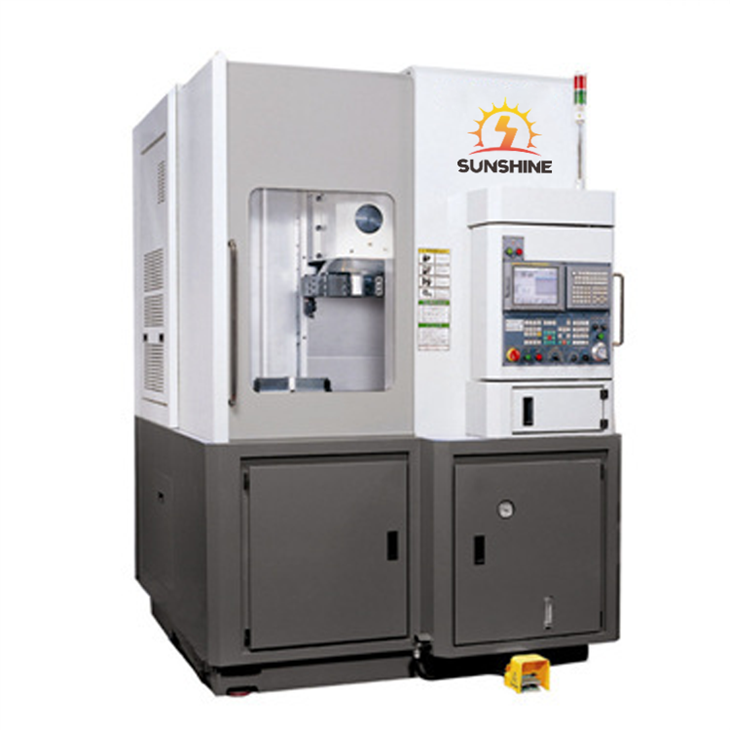
As a supplier of electric riveting machines, we also offer a wide range of other high - quality products, such as Cnc Lathe Vertical CK65C, Multifunctional Fully Protected CNC Vertical Lathe, and Precision CNC Machine Tool. If you are interested in purchasing our products or need further technical support, please feel free to contact us for procurement and negotiation. We are committed to providing you with the best solutions and services.
References
- Manufacturer's manuals of electric riveting machines
- Industry standards and guidelines for maintenance and troubleshooting of electrical equipment



