

Integrating an electric riveting machine with other equipment can significantly enhance the efficiency and productivity of your manufacturing process. As a supplier of electric riveting machines, I've seen firsthand how this integration can transform a production line. In this blog, I'll share some practical tips on how to achieve this seamless integration.
Understanding the Basics of Electric Riveting Machines
Before diving into integration, it's crucial to understand what an electric riveting machine is and how it works. An electric riveting machine uses an electric motor to generate the force needed to set rivets. It offers several advantages over traditional manual or pneumatic riveting methods, such as higher precision, faster operation, and less operator fatigue.
Our electric riveting machines are designed with advanced technology to ensure reliable performance. They can handle a wide range of rivet sizes and materials, making them suitable for various applications in industries like automotive, aerospace, and electronics.

Assessing Your Equipment Needs
The first step in integrating an electric riveting machine with other equipment is to assess your specific needs. Consider the following factors:
- Production Volume: How many riveted parts do you need to produce per day or per shift? This will help determine the speed and capacity requirements of the riveting machine.
- Rivet Types and Sizes: Different applications may require different types and sizes of rivets. Make sure the riveting machine you choose can accommodate your specific rivet requirements.
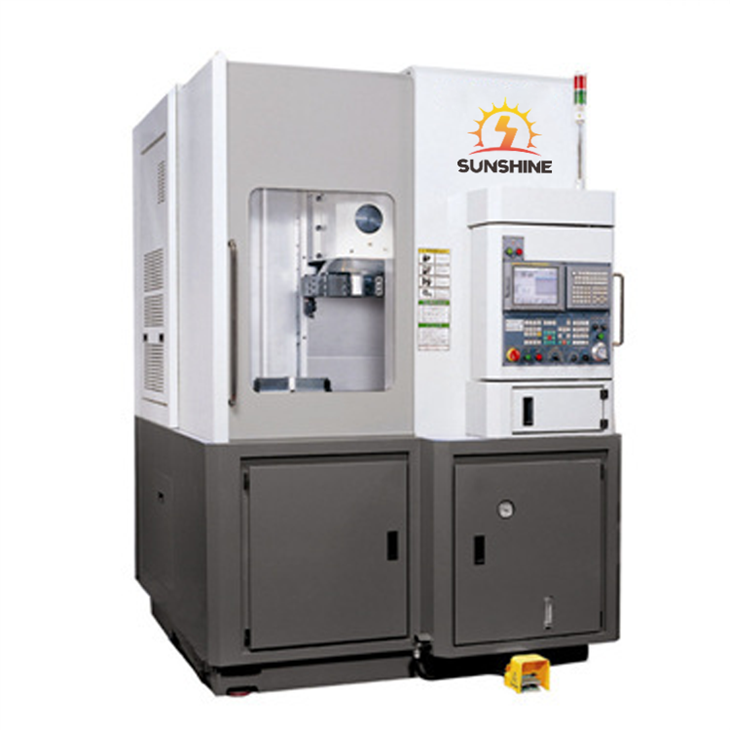
- Existing Equipment: Take inventory of your existing equipment, such as CNC Turning And Milling Compound, Multifunctional Fully Protected CNC Vertical Lathe, and Precision CNC Machine Tool. Identify how the electric riveting machine can fit into your current production line.
Selecting Compatible Equipment
Once you have a clear understanding of your needs, it's time to select compatible equipment for integration. Here are some key considerations:
- Communication Protocols: Ensure that the electric riveting machine and other equipment can communicate effectively. This may involve using standard communication protocols like Ethernet/IP, Profibus, or Modbus.
- Physical Dimensions: Consider the physical dimensions of the equipment to ensure they can be easily integrated into your production line. Make sure there is enough space for the riveting machine and any associated conveyors or handling systems.
- Automation Level: Determine the level of automation you require. You may want to integrate the riveting machine with a robotic arm or an automated conveyor system to achieve a fully automated production process.
Integration Process
Here's a step-by-step guide on how to integrate an electric riveting machine with other equipment:
Step 1: Planning
- Create a Layout: Develop a detailed layout of your production line, including the placement of the electric riveting machine and other equipment. This will help you visualize the integration process and identify any potential issues.
- Define Workflow: Clearly define the workflow of your production process, including the sequence of operations and the transfer of parts between different equipment.
- Set Up Safety Measures: Implement appropriate safety measures, such as emergency stop buttons, safety光幕, and interlocks, to ensure the safety of your operators.
Step 2: Installation
- Mount the Riveting Machine: Install the electric riveting machine in the designated location according to the manufacturer's instructions. Make sure it is properly aligned and secured.
- Connect the Equipment: Connect the riveting machine to other equipment using the appropriate cables and connectors. Follow the communication protocols and wiring diagrams provided by the manufacturers.
- Test the Connection: Once the equipment is connected, test the communication between the riveting machine and other equipment to ensure they are working properly.
Step 3: Programming and Configuration
- Program the Riveting Machine: Use the programming interface of the riveting machine to set up the riveting parameters, such as rivet force, stroke length, and cycle time.
- Configure the Automation System: If you are integrating the riveting machine with an automated system, configure the robotic arm or conveyor system to work in synchronization with the riveting machine.
- Test the Integration: Conduct a series of tests to verify the integration of the riveting machine with other equipment. Make any necessary adjustments to ensure smooth operation.
Troubleshooting and Maintenance
Even with proper planning and installation, issues may arise during the integration process. Here are some common problems and their solutions:
- Communication Issues: If there are communication problems between the riveting machine and other equipment, check the cables, connectors, and communication settings. Make sure the devices are using the same communication protocol.
- Mechanical Problems: If the riveting machine is not functioning properly, check for any mechanical issues, such as loose parts, worn-out components, or improper lubrication. Follow the manufacturer's maintenance instructions to perform regular maintenance.
- Software Errors: If there are software errors, check the programming settings and update the software if necessary. Contact the manufacturer's technical support team for assistance.
Benefits of Integration
Integrating an electric riveting machine with other equipment offers several benefits, including:
- Increased Productivity: By automating the riveting process and integrating it with other equipment, you can significantly increase the production speed and efficiency of your manufacturing process.
- Improved Quality: The precision and consistency of an electric riveting machine ensure high-quality riveted joints, reducing the risk of defects and rework.
- Cost Savings: Integration can help reduce labor costs, improve material utilization, and minimize downtime, resulting in significant cost savings over time.
Conclusion
Integrating an electric riveting machine with other equipment is a complex but rewarding process. By following the steps outlined in this blog, you can achieve a seamless integration that enhances the efficiency and productivity of your manufacturing process. If you have any questions or need further assistance, feel free to contact us. We're here to help you find the best solution for your specific needs.
References
- "Industrial Automation Handbook," by Peter Nachtwey
- "Automation Technology for Manufacturing Systems," by David A. Dornfeld



