

Hey there! As a supplier of Hydraulic Cast Machines, I'm here to walk you through the process of installing one. It might seem a bit daunting at first, but with the right steps and a bit of know - how, you'll have your machine up and running in no time.
Pre - installation Preparations
First things first, you need to pick the right spot for your Hydraulic Cast Machine. The area should be flat and stable. A wobbly surface can cause all sorts of problems down the line, like uneven casting and even damage to the machine itself. Measure the space carefully to make sure your machine will fit comfortably, leaving enough room for you to move around it for maintenance and operation.
You also need to check the power supply. Our Hydraulic Cast Machines are designed to work with specific voltage and current requirements. Make sure your electrical system can handle the load. If you're not sure, it's a good idea to consult an electrician. They can help you figure out if any upgrades are needed.
Another important aspect is the hydraulic fluid. You'll need to have the right type of hydraulic fluid on hand. Using the wrong fluid can lead to poor performance and can even damage the hydraulic system. Check the machine's manual for the recommended fluid type and quantity.
Unpacking and Inspection
Once you've got everything ready at the installation site, it's time to unpack the machine. Be careful when opening the packaging to avoid any damage. As you unpack, inspect all the parts for any signs of damage during transit. Look for scratches, dents, or any loose components. If you find anything wrong, contact us right away. We'll do our best to get you replacement parts as soon as possible.
Assembly
Now, let's start assembling the machine. Most Hydraulic Cast Machines come with detailed assembly instructions. Follow them step by step. Start with the base of the machine. Make sure it's level and firmly secured to the floor. You can use bolts or other fastening methods recommended in the manual.
Next, attach the main body of the machine to the base. This usually involves aligning the holes and using the provided bolts to secure them together. It's important to tighten the bolts properly, but don't over - tighten them as it can cause damage to the parts.
After that, it's time to install the hydraulic components. Connect the hydraulic hoses carefully. Make sure there are no kinks or twists in the hoses, as this can restrict the flow of hydraulic fluid. Also, check the connections for any leaks. You can do a simple pressure test by running a small amount of hydraulic fluid through the system and looking for any signs of leakage.
Electrical Installation
The electrical installation is a crucial part of the process. First, connect the power cable to the machine. Make sure the connection is secure and that the cable is properly insulated. Then, install any control panels or switches according to the instructions.
It's important to ground the machine properly. This helps prevent electrical shocks and protects the machine from electrical surges. Follow the grounding instructions in the manual to ensure a safe and reliable electrical connection.
Testing and Calibration
Once the machine is fully assembled and the electrical and hydraulic systems are connected, it's time to test it. Before you start the machine, double - check all the connections and make sure everything is in place.
Start the machine and let it run for a few minutes. Listen for any unusual noises or vibrations. If you notice anything strange, stop the machine immediately and check for the cause.
After the initial run, you'll need to calibrate the machine. This involves setting the correct pressure, temperature, and other parameters according to your specific casting requirements. The calibration process can be a bit tricky, but the manual should provide detailed instructions. You might also want to refer to some online resources like CNC vertical lathe runs smoothly and with high precision for more general tips on machine calibration.
Maintenance Tips
Once your Hydraulic Cast Machine is up and running, regular maintenance is key to keeping it in good condition. Check the hydraulic fluid level regularly and top it up if needed. Also, change the hydraulic fluid at the recommended intervals to keep the system clean and functioning properly.

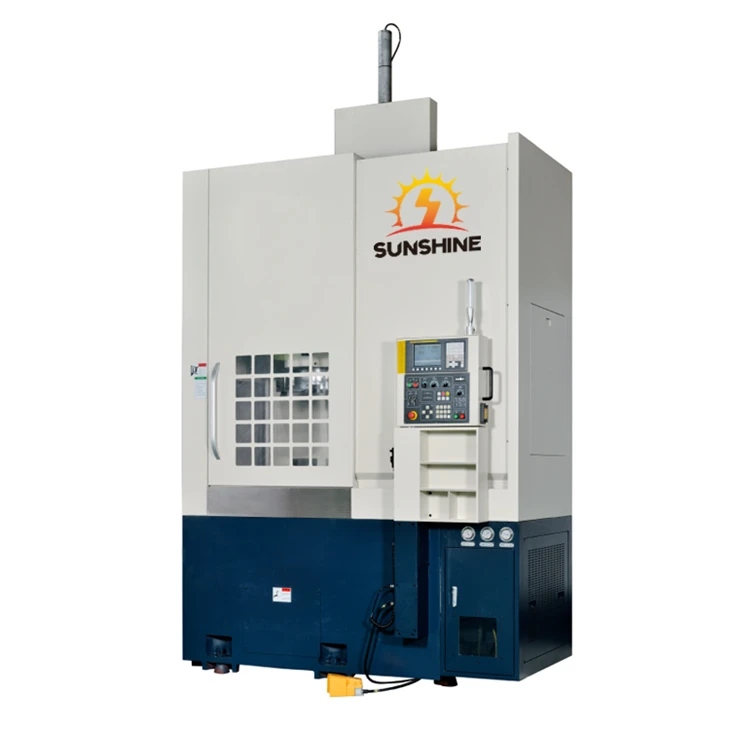
Inspect the machine for any signs of wear and tear. Replace any worn - out parts as soon as possible to avoid more serious problems. Keep the machine clean and free from dust and debris.
Troubleshooting
Even with proper installation and maintenance, you might encounter some problems with your Hydraulic Cast Machine. If you experience issues like low pressure in the hydraulic system, it could be due to a leak in the hoses or a problem with the pump. Check the hoses for any signs of leakage and inspect the pump for any damage.
If the machine is not casting properly, it could be a calibration issue. Refer back to the calibration steps and make any necessary adjustments. You can also check out High quality double column CNC lathe CK525 for some general troubleshooting tips that might apply to your situation.
Conclusion
Installing a Hydraulic Cast Machine might seem like a complex task, but if you follow the steps outlined above, you'll be able to do it successfully. Remember, if you have any questions or run into any problems during the installation process, don't hesitate to reach out to us. We're here to help you every step of the way.
If you're interested in purchasing a Hydraulic Cast Machine or need more information about our products, feel free to contact us. We can provide you with detailed product specifications, pricing, and any other information you might need. Our team of experts is always ready to assist you in making the right choice for your casting needs. Whether you're a small - scale workshop or a large - scale manufacturing facility, we have the perfect Hydraulic Cast Machine for you. So, don't wait any longer and start exploring our range of products today!
References
- Manufacturer's manual for Hydraulic Cast Machine
- General knowledge of hydraulic systems and machine installation


