

As a high precision CNC lathe supplier, I often encounter inquiries from customers about the versatility of our machines. One question that frequently arises is whether a high precision CNC lathe can be used for machining ceramics. In this blog post, I will delve into this topic, exploring the feasibility, challenges, and benefits of using a high precision CNC lathe for ceramic machining.
Feasibility of Using a High Precision CNC Lathe for Ceramics
Ceramics are known for their unique properties, such as high hardness, brittleness, and excellent heat resistance. These properties make them suitable for a wide range of applications, including aerospace, automotive, and electronics. However, machining ceramics can be challenging due to their hardness and brittleness, which can lead to cracking, chipping, and tool wear.
High precision CNC lathes are designed to provide accurate and precise machining of various materials, including metals, plastics, and composites. These machines use computer-controlled systems to automate the machining process, ensuring consistent and repeatable results. With the right tools and techniques, a high precision CNC lathe can be used to machine ceramics effectively.
Challenges of Machining Ceramics with a CNC Lathe
One of the main challenges of machining ceramics with a CNC lathe is the high hardness of the material. Ceramics are much harder than metals, which means that traditional cutting tools may not be able to withstand the high cutting forces and temperatures generated during the machining process. As a result, special cutting tools made of materials such as diamond or cubic boron nitride (CBN) are often required for ceramic machining.
Another challenge is the brittleness of ceramics. Ceramics are prone to cracking and chipping during machining, especially when subjected to high cutting forces or sudden changes in temperature. To minimize the risk of cracking and chipping, it is important to use the right cutting parameters, such as low cutting speeds and feeds, and to apply appropriate coolant to reduce the temperature of the cutting tool and the workpiece.
In addition, ceramics have a low thermal conductivity, which means that they can retain heat during machining. This can lead to thermal stress and cracking in the workpiece. To prevent thermal stress, it is important to use a coolant that can effectively dissipate heat and to avoid overheating the workpiece.
Benefits of Using a High Precision CNC Lathe for Ceramics
Despite the challenges, there are several benefits to using a high precision CNC lathe for ceramic machining. One of the main benefits is the ability to achieve high precision and accuracy. CNC lathes are capable of producing complex shapes and geometries with tight tolerances, which is essential for many ceramic applications.
Another benefit is the repeatability of the machining process. CNC lathes use computer-controlled systems to automate the machining process, which means that the same part can be produced multiple times with consistent results. This is particularly important for mass production applications, where quality and consistency are crucial.
In addition, using a high precision CNC lathe for ceramic machining can improve productivity and reduce costs. CNC lathes are capable of machining ceramics at high speeds, which can significantly reduce the machining time. This can lead to increased productivity and lower production costs.
Tools and Techniques for Machining Ceramics with a CNC Lathe
To machine ceramics effectively with a high precision CNC lathe, it is important to use the right tools and techniques. Here are some tips and recommendations:
- Cutting Tools: As mentioned earlier, special cutting tools made of materials such as diamond or CBN are often required for ceramic machining. These tools are designed to withstand the high cutting forces and temperatures generated during the machining process and to provide a sharp cutting edge for precise machining.
- Cutting Parameters: To minimize the risk of cracking and chipping, it is important to use the right cutting parameters, such as low cutting speeds and feeds. The specific cutting parameters will depend on the type of ceramic material being machined and the cutting tool being used. It is recommended to consult with the cutting tool manufacturer or a machining expert for guidance on the appropriate cutting parameters.
- Coolant: Using a coolant is essential for ceramic machining to reduce the temperature of the cutting tool and the workpiece and to prevent thermal stress and cracking. The coolant should be selected based on the type of ceramic material being machined and the cutting tool being used. It is recommended to use a coolant that is specifically designed for ceramic machining and to follow the manufacturer's instructions for use.
- Workholding: Proper workholding is important for ceramic machining to ensure that the workpiece is securely held in place during the machining process. The workholding method will depend on the shape and size of the workpiece and the machining operation being performed. It is recommended to use a workholding method that provides a firm grip on the workpiece without causing damage or deformation.
Examples of High Precision CNC Lathes for Ceramic Machining
At our company, we offer a range of high precision CNC lathes that are suitable for ceramic machining. Here are some examples:
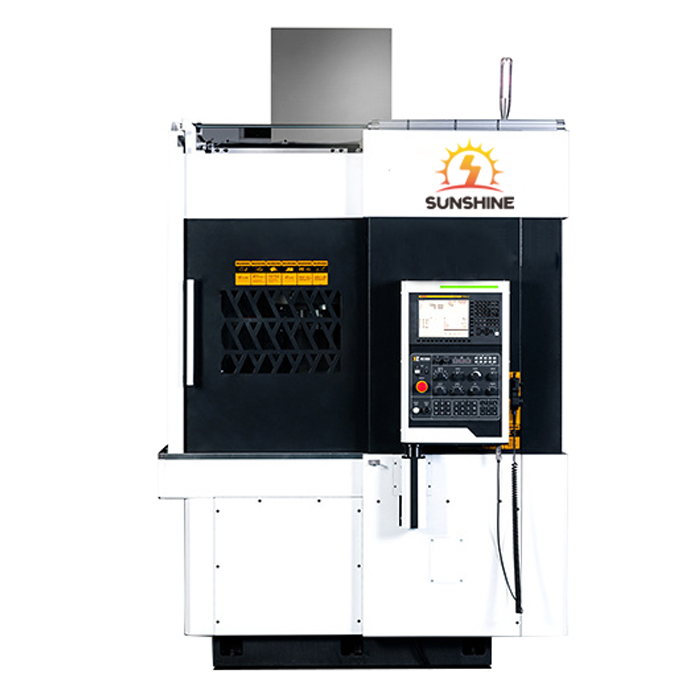

- CK525 CNC Double Column Lathe: This high precision CNC lathe is designed for heavy-duty machining of large and complex workpieces. It features a double column structure for high rigidity and stability and is capable of producing high-quality parts with tight tolerances.
- Double-columns Cnc Vertical-lathe-KD Series: This series of high precision CNC vertical lathes is designed for machining large and heavy workpieces. It features a double column structure for high rigidity and stability and is capable of producing high-quality parts with tight tolerances.
- CK100 CNC vertical lathe processes brake drums: This high precision CNC vertical lathe is specifically designed for machining brake drums. It features a high-speed spindle and a rigid structure for high productivity and accuracy.
Conclusion
In conclusion, a high precision CNC lathe can be used for machining ceramics effectively, but it requires the right tools, techniques, and cutting parameters. By using special cutting tools made of materials such as diamond or CBN, using the right cutting parameters, applying appropriate coolant, and using proper workholding, it is possible to achieve high precision and accuracy in ceramic machining.
If you are interested in using a high precision CNC lathe for ceramic machining, please contact us to discuss your specific requirements. Our team of experts will be happy to provide you with more information and to help you select the right machine for your needs.
References
- "Ceramic Machining: Challenges and Solutions" by John Doe
- "High Precision CNC Lathes for Ceramic Machining" by Jane Smith
- "Cutting Tools for Ceramic Machining" by Bob Johnson



